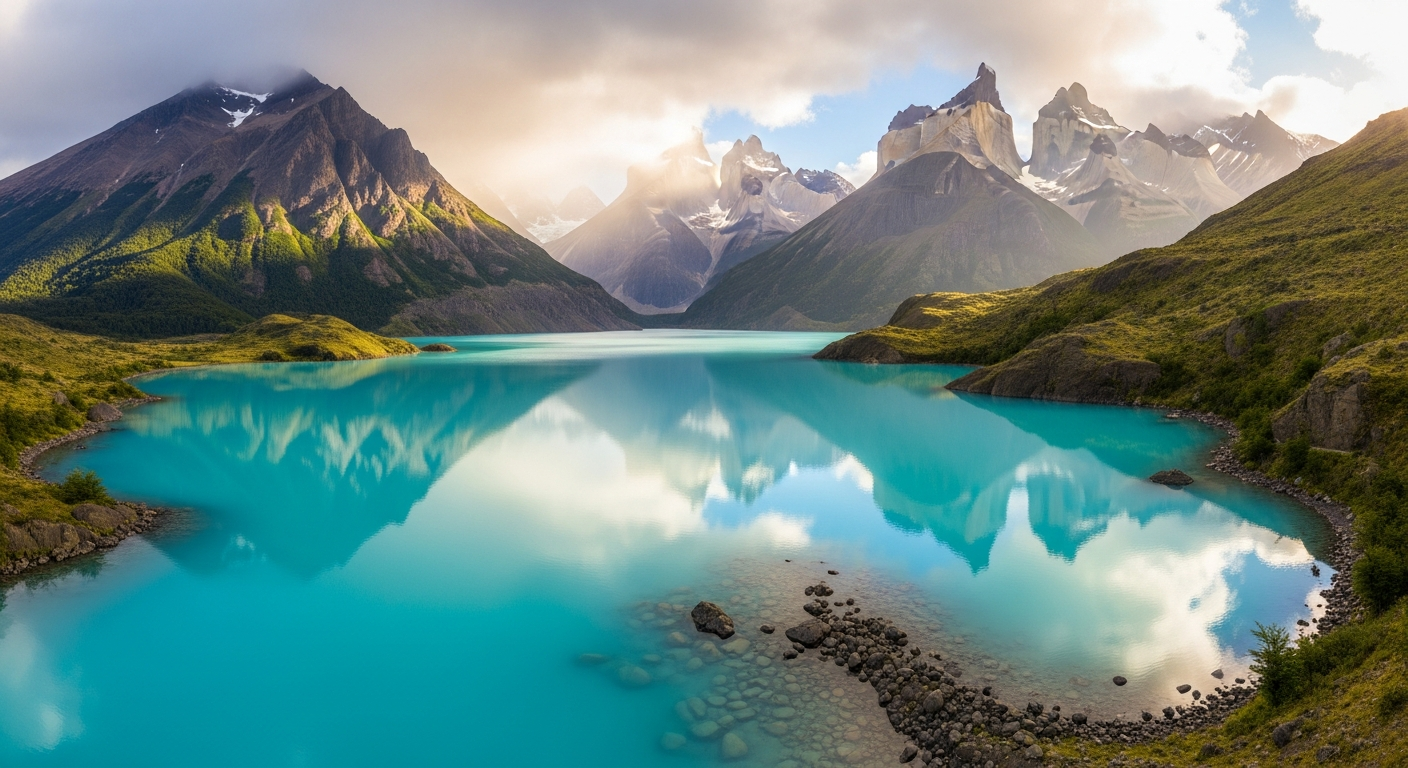
Technology should reveal what makes us human, not replace it.
There is a story being told about the future.
It goes like this: the machines are coming, the machines are smarter, the machines will replace you. Get out of the way or get left behind. In this story, technology is an inevitability — a force of nature that humans must survive rather than shape.
We don't believe that story.
Not because we're naive. Not because we haven't seen the speed at which the world is changing. But because that story treats humans as a problem to be optimised away — and we think humans are the point.
We believe in a different future. One where technology doesn't replace what makes us human — it reveals it. Where the tools we build are so thoughtfully designed that using them feels less like operating software and more like something close to magic. Where organisations don't just function — they flourish.
We are not building against technology. We are building with it — on behalf of the humans in the room.
This is Human Nature.
The human is always in the loop. Always sovereign. Always the one who decides.
This is not a constraint we tolerate — it is the architecture we chose. Every system we build assumes a human at the centre. Not because AI can't make the decision, but because the decision is not the machine's to make. Efficiency without agency is just a faster cage.
Technology should feel like magic, not machinery.
We take our inspiration from a future that looks less like a server farm and more like something out of a dream — high-tech, alive, woven into the fabric of daily life so seamlessly you forget it's there. If a product feels cold, clinical, or complicated, we haven't finished building it. The goal is not feature completeness. The goal is wonder.
The most powerful things are simple enough to feel effortless and honest enough to be trusted.
We don't hide behind jargon, complexity, or ambiguity. Our products are legible. Our decisions are explainable. Our communication says what it means. Clarity is not the absence of depth — it is depth made accessible.
We build together or not at all.
Human Nature is not a collection of individuals optimising for their own performance reviews. It is a crew. We believe the best work happens when people genuinely give a damn about each other — not in a corporate-poster way, but in the way that friends push each other to be better.
Mediocrity is a choice, and we refuse to make it.
Every detail matters — not because users will notice every one, but because we will. We obsess over the seams, the edges, the moments where most companies cut corners. Not because we're perfectionists. Because we respect the people who will use what we make.
We build for decades, not demo days.
The world has enough companies sprinting toward exits. We are building something that compounds — in value, in trust, in impact. This means saying no to shortcuts that feel fast but cost you later.
Choosing the better future is an act of will.
Cynicism is easy. Pessimism is comfortable. We are not optimistic because we're uninformed. We are optimistic because the alternative — building from a place of fear — produces exactly the future everyone is afraid of.
These are how we work. They are specific, sometimes uncomfortable, and always evolving.
We hire for who someone is before what they can do. Skills are learnable. But integrity, curiosity, and the instinct to do right when no one is watching — those are not things you install after onboarding.
We do not build autonomous systems that make consequential decisions about people without a human reviewing, understanding, and owning that decision. The moment you remove the human, you've built a machine that serves itself.
Privacy, fairness, transparency, and regulatory alignment are design constraints — baked into the infrastructure from day one. If it's not compliant by design, it's not designed.
Behind every "user" is a human being making real decisions about their life. The moment our systems treat people as data points, we have failed — no matter how good the metrics look.
We take our time deciding what to build and why. Then we move. Once we've committed — we ship, we learn, we iterate. No committee paralysis. No death by consensus.
We share what's working and what isn't. Not because transparency is trendy, but because hiding things is how trust dies quietly.
We believe AI should serve humans, not surveill them. We will lose deals because of these beliefs. That is fine. A company that stands for everything stands for nothing.
The most elegant systems look obvious in hindsight. If a user needs a manual, we haven't done our job. If a product needs an explanation, we're not finished.
Not every client is the right client. We work with organisations whose mission aligns with ours — and we are honest about it when it doesn't.
Say what you think. Fight for it. And when a decision is made, get behind it fully. That's how trust is built — through candour, not compliance.
Every product we build should return something to the person using it — time, clarity, confidence, energy. The goal is abundance, not extraction.
We will be wrong about some of this. What matters is that we had the honesty to write it down, the courage to publish it, and the humility to revise it when we learn better.
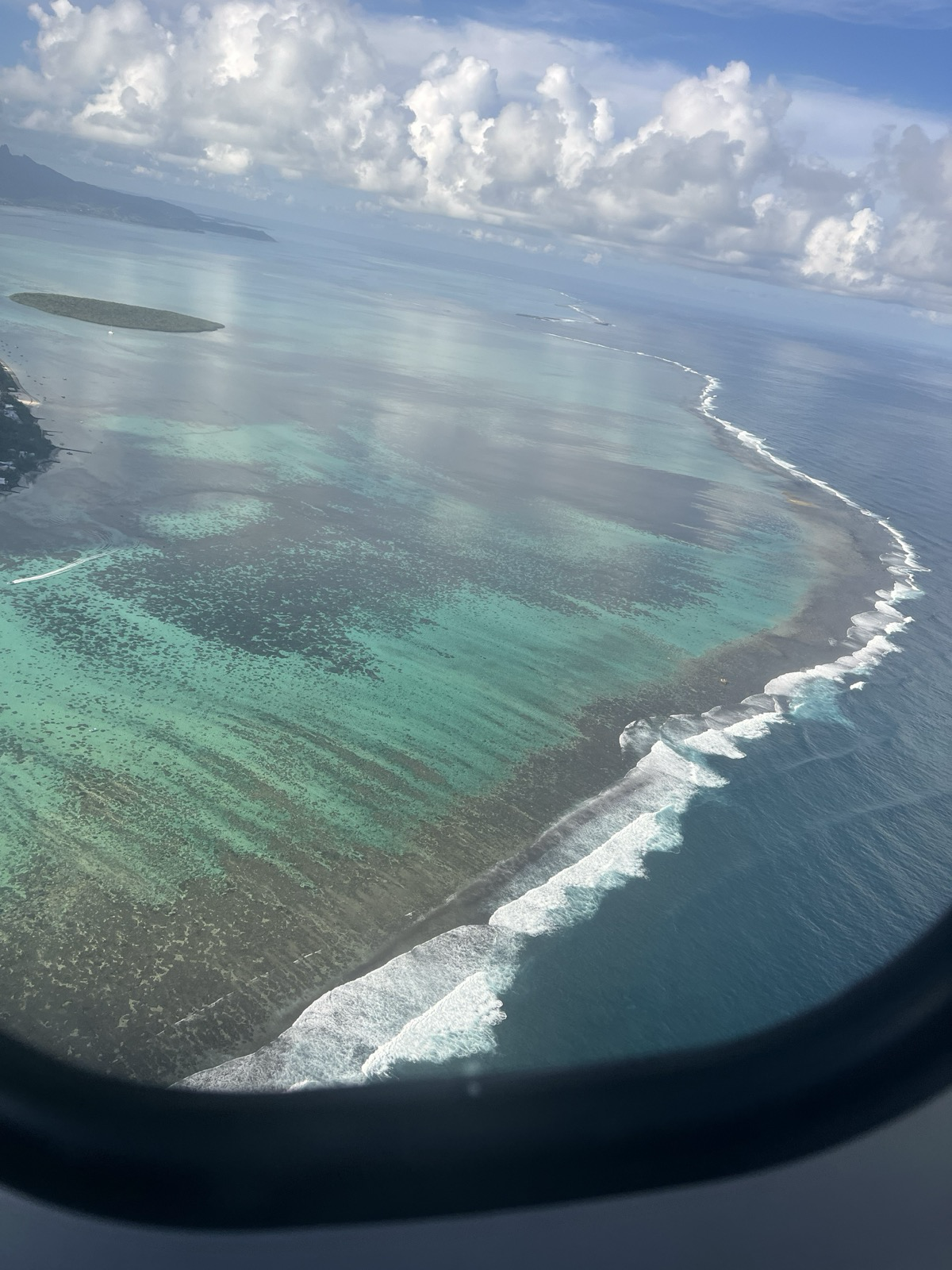
We are building infrastructure for a future where humans and technology work together in harmony.
Not because it is easy. Not because it is profitable. Because it is necessary — and because someone has to choose to build it on purpose.
This is an invitation. Not to buy a product. Not to follow a brand. But to believe, alongside us, that the future doesn't have to look like the dystopia everyone keeps predicting.
It can look like something better. Something alive. Something human.
The future is bright. The future is human.
Human Nature · Founded 2026 · humannature.earth